
A better resident experience starts with fewer things getting in the way. Easier entry. Simpler guest access. Dependable Wi-Fi. And a property team with the tools to manage access and monitor shared spaces efficiently, leaving more time to connect with residents and build community.
That’s what well-planned multifamily technology solutions should deliver. In apartments, condominiums, and student housing, access control, surveillance, and networking shape both everyday living and property management.
Can residents welcome deliveries without heading downstairs? Can staff quickly investigate a concern? Can someone take a video call without freezing mid-sentence? Planning these systems together helps turn those expectations into an experience the property can reliably support.
Smart Locks and Multifamily Access Control
Some days, you get home with nothing left to give. Your hands are full, your phone is ringing, and your keys have found the bottom of your bag. You just want to get inside, put everything down, and start recovering from the day.
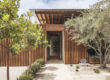
Smart locks make that moment simpler: tap a keycard or fob, enter your personal code, or unlock from your phone. With compatible connected access control, the same phone or credential can open the garage, lobby, gym, and pool. Permissions determine which spaces each person can enter.
Welcoming someone should be just as straightforward. You shouldn’t have to explain a confusing call box or leave dinner on the stove to meet a delivery downstairs. A connected video intercom lets you see your visitor, speak with them, and open the building entrance from your phone, whether you’re in the kitchen or relaxing on the sofa.
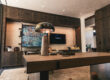
For apartments with an indoor intercom screen, placement matters. Near the kitchen or main living area is ideal because it’s close to where residents spend time. At the building entrance, a clearly visible visitor station makes finding and calling the right resident easier.
Property teams gain practical control, too. From a central platform, authorized staff can schedule contractor access, deactivate missing fobs, and remove former residents’ permissions. A remote-enabled system lets them make those changes wherever they have an internet connection, without coordinating every handoff in person.
Smart Security Cameras and Surveillance for Multifamily Properties
Feeling secure at home extends beyond the apartment door. It includes parking after a late shift, collecting a package, and walking through shared spaces knowing the property team has a way to oversee them.
Video doorbells help residents interact with guests at their doors. Managing the wider property requires coordinated surveillance. A small team overseeing more than 100 units cannot watch every entrance, parking area, and amenity at once. The system should help staff spot concerns and find answers without running through hours of irrelevant footage.
Smart detection and searchable footage should be priorities. Person and vehicle detection helps staff distinguish activity, while rules for restricted-area entry or lingering near a service entrance highlight events worth reviewing. License plate recognition can identify when vehicles enter or exit. In larger outdoor areas, automatic tracking cameras can follow movement within their coverage, alongside fixed cameras that maintain views of key locations.
When a resident raises a concern, staff should be able to search footage by time, event, person, or vehicle. Text-based video search adds the ability to describe what they’re looking for, such as “a person carrying a box.” Access records can provide further context about which credential was used at an entrance.
Thoughtful placement and remote viewing give authorized staff visibility across the property. Integrated access control can also let them check or secure connected doors remotely. Together, these capabilities help the team investigate concerns and respond with useful information.
Networking and Wi-Fi for Apartment Communities
A coworking lounge loses its appeal when residents have to leave it to take a video call. The same goes for a gym where music keeps buffering. Connectivity needs to support how people actually use the property, especially during busy periods.
The network connects devices and building systems through wired or wireless connections. Wi-Fi lets devices access that network wirelessly, while internet service connects it to the outside world.
Supporting an apartment community takes more than placing a router in each unit. Fiber carries large amounts of data between buildings or floors. Structured copper cabling connects cameras, office computers, and wireless access points. Properly sized network equipment and internet service help those connections keep up with demand.
Residents may arrange service for their apartments, but guest Wi-Fi, gyms, event rooms, and staff offices need their own coverage and capacity planning. Resident and guest traffic should also remain separate from management and building systems.
Reliability includes preparing for interruptions. Battery backup can keep selected equipment operating temporarily, provided the devices and connections it relies on are also supported. An alternate internet connection can help when the primary service fails. Planning starts with identifying which functions need to remain available and for how long.
Design for Daily Life, Plan for What Comes Next
The strongest technology decisions begin with the people using the property. Where do residents encounter frustration? Which tasks consume the management team’s time? What needs to keep working during an interruption?
Answering those questions together helps owners, architects, and builders plan access control, surveillance, and networking as connected parts of the resident experience. The result is a property that’s easier to navigate, more practical to manage, and better prepared to adapt.
If your team spent less time managing everyday friction, what could they do to make the community feel more like home?